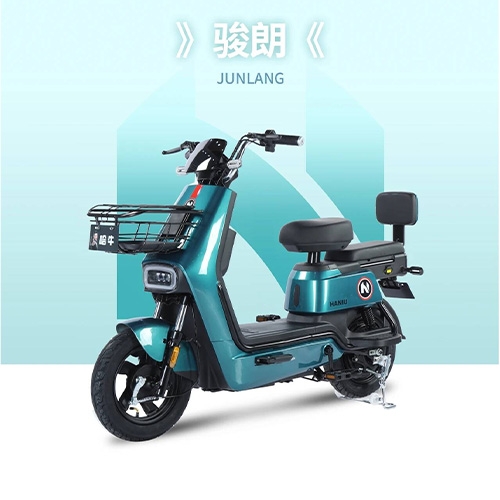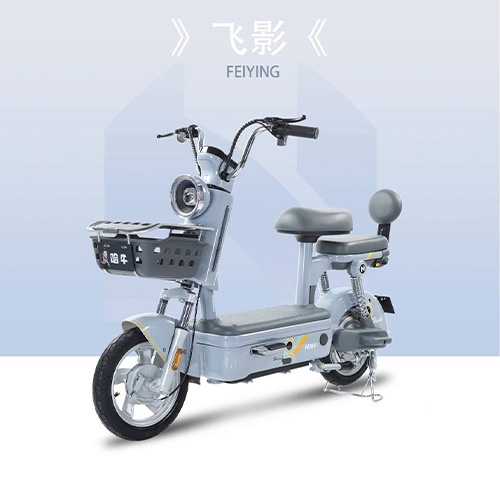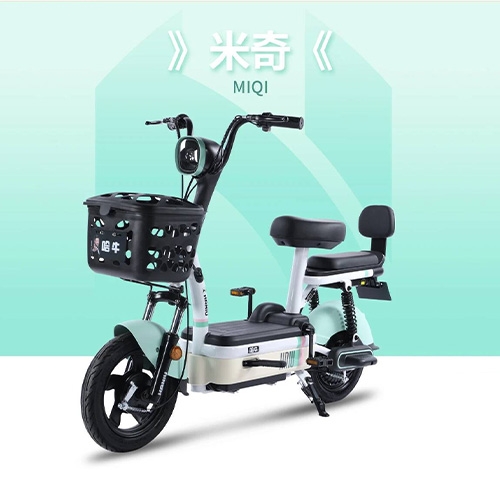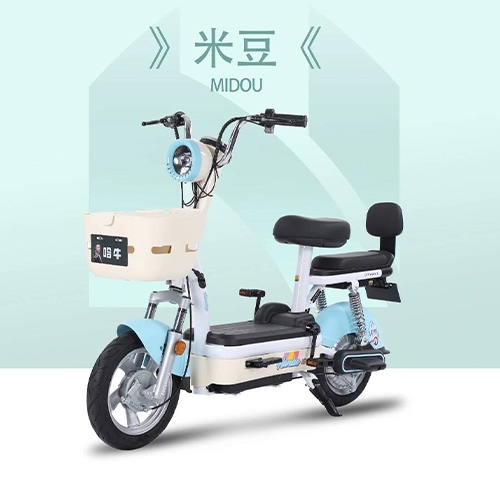
In the current booming development of the electric vehicle industry, close collaboration between electric vehicle manufacturers and supply chains has become the key to the survival and development of enterprises. The supply chain is like the "lifeline" of an enterprise, from raw material supply to component production, to vehicle assembly and sales, each link directly affects the efficiency, quality, and cost of electric vehicle production.
Firstly, high-quality supplier resources are the solid backing for electric vehicle manufacturers. For the production of electric vehicles, the quality of core components such as batteries, motors, and controllers is crucial. Manufacturers will establish long-term partnerships with battery suppliers with advanced technology and reliable quality to ensure that the purchased batteries have high energy density, long endurance, and stable performance. For example, collaborating with well-known battery companies and adopting their newly developed lithium batteries can not only improve the range of electric vehicles, but also enhance the market competitiveness of their products. At the same time, in the selection of motor and controller suppliers, attention should be paid to their technical research and development capabilities and production processes to ensure the stability and reliability of core components. Through cooperation with high-quality suppliers, manufacturers can control product quality from the source, laying the foundation for creating high-quality electric vehicles.
Secondly, efficient supply chain management helps to reduce production costs and improve production efficiency. Electric vehicle manufacturers optimize their supply chain processes to achieve precise procurement and timely supply of raw materials and components. Adopting advanced inventory management system, arranging inventory reasonably according to production plan to avoid the occurrence of inventory backlog or shortage. At the same time, establish a close information sharing mechanism with suppliers to real-time monitor the production progress and transportation status of raw materials, ensuring the continuity of the production process. For example, before the peak production season arrives, communicate with suppliers in advance to increase the procurement of key components and avoid production interruptions caused by insufficient supply. In addition, by integrating supply chain resources, manufacturers can also reduce procurement costs, improve capital utilization efficiency, and gain price advantages in market competition.
Furthermore, collaborative innovation in the supply chain is an important driving force for advancing electric vehicle technology. Electric vehicle manufacturers and upstream and downstream enterprises in the supply chain jointly carry out technology research and innovation cooperation, accelerating the application of new technologies and materials. For example, collaborating with battery suppliers to develop solid-state battery technology to address the range and safety issues of traditional lithium batteries; Exploring the application of lightweight materials in electric vehicles with component suppliers to reduce vehicle weight and improve endurance. Through collaborative innovation, not only can the performance and quality of electric vehicles be improved, but it can also promote the technological upgrading of the entire industry. Meanwhile, innovative cooperation between supply chain enterprises can also shorten the product development cycle, enabling new products to be launched to the market faster and meeting the constantly changing needs of consumers.
Finally, addressing supply chain risks is an important challenge faced by electric vehicle manufacturers. Fluctuations in raw material prices, natural disasters, global trade frictions, and other factors may all have an impact on the supply chain. To reduce supply chain risks, manufacturers will adopt diversified procurement strategies, establish cooperative relationships with multiple suppliers, and avoid excessive dependence on a single supplier. At the same time, strengthen risk management of the supply chain, develop emergency plans, and improve the ability to respond to emergencies. For example, when raw material prices rise significantly, adjust procurement strategies in a timely manner and seek alternative materials or suppliers; In case of transportation interruption caused by natural disasters, activate backup transportation plans to ensure timely supply of components. The close cooperation and effective management between electric vehicle manufacturers and the supply chain are the key to standing out in the fierce market competition.