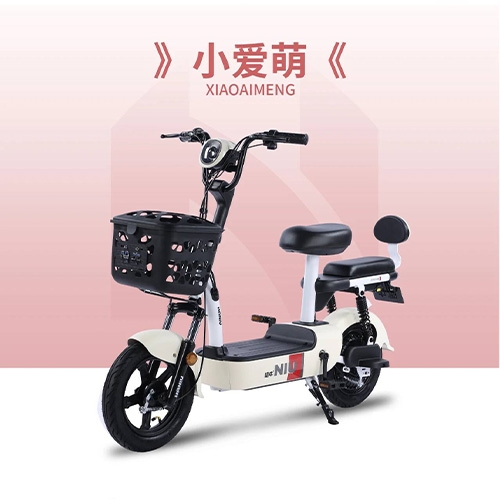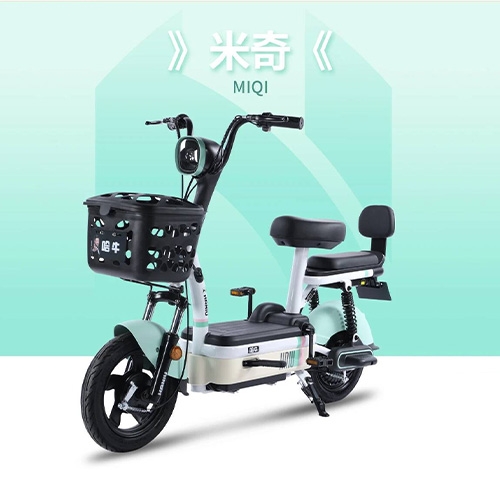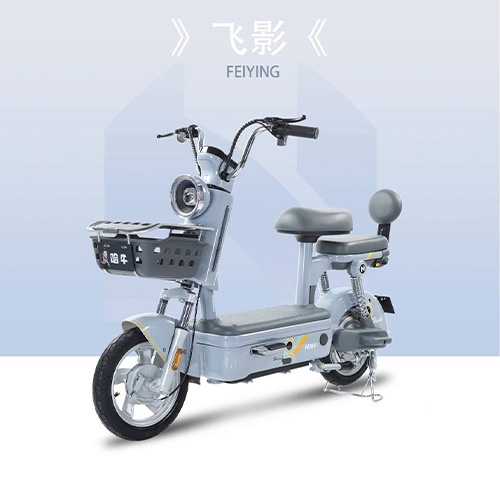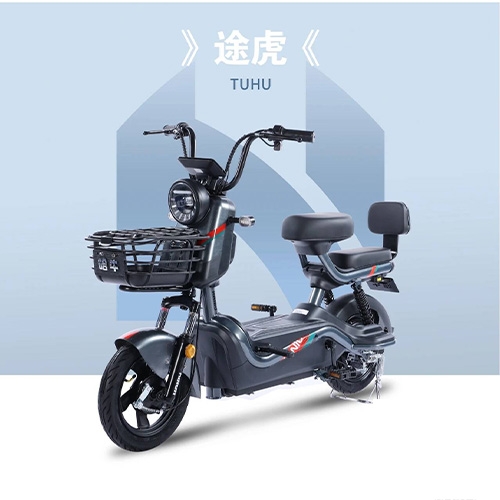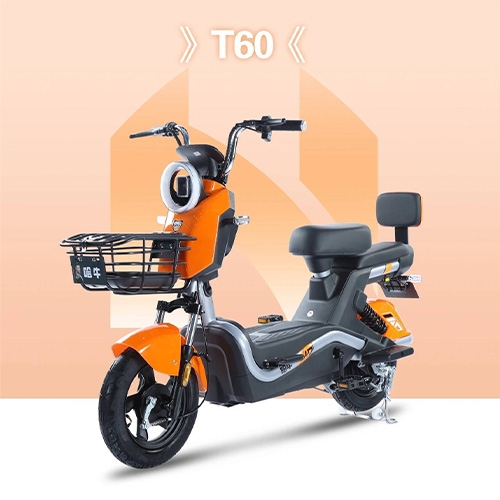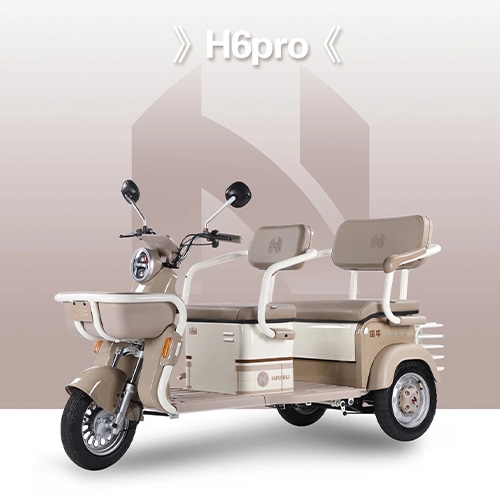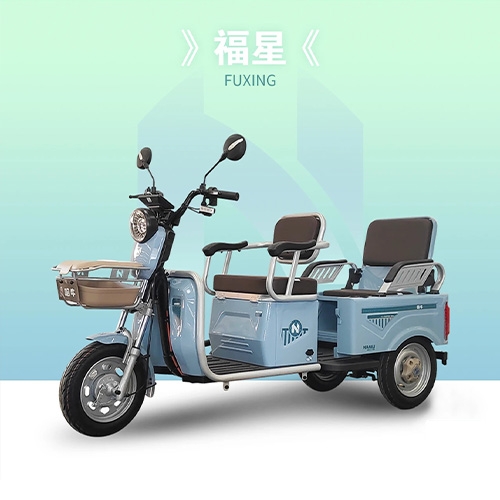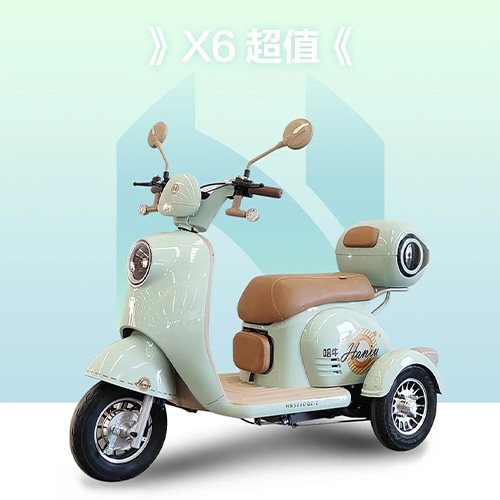
In the field of modern transportation, electric bicycles and traditional motorcycles are both highly regarded short distance travel tools. They each have different characteristics, which have had a significant impact on consumer choices and the development of the electric vehicle production industry.
From an environmental perspective, electric two wheelers have significant advantages. Electric two wheelers rely on electric power to drive and do not produce exhaust emissions during operation, causing almost no pollution to the environment. Against the backdrop of people's high concern for air quality, electric two wheelers have become an ideal choice for environmentally friendly travel. Traditional motorcycles, powered by fuel, emit large amounts of harmful gases such as carbon monoxide, hydrocarbons, and nitrogen oxides during operation, which not only pollute the atmospheric environment but also pose a threat to human health. With the increasingly strict environmental regulations, traditional motorcycles are facing greater environmental pressure.
In terms of usage cost, there is a significant difference between the two. The energy cost of electric bicycles is relatively low, and the charging cost is much lower than the fuel cost of traditional motorcycles. Moreover, the maintenance of electric two wheelers is relatively simple, without complex engine systems, fewer components, and relatively low repair costs. In contrast, traditional motorcycles not only have higher fuel costs, but also require higher maintenance and upkeep of key components such as the engine. Regular replacement of oil, filters, and other parts significantly increases the cost of use. In the long run, electric two wheelers have significant economic advantages in terms of usage costs.
In terms of operational performance, electric two wheelers and traditional motorcycles also have their own characteristics. Electric two wheelers are easy to operate and do not require tedious gear shifting. Simply turn the accelerator to accelerate, making them easy for beginners to pick up. It has a smooth start and linear power output, making it easier to drive in congested urban traffic environments. Although traditional motorcycles have strong power and good acceleration performance, their operation is relatively complex and requires mastery of gear shifting techniques. For unfamiliar drivers, it may take some time to learn and adapt.
For electric vehicle manufacturers, facing market competition from electric scooters and traditional motorcycles, it is necessary to clarify their own development direction. On the one hand, for the electric two wheeled vehicle market, enterprises should increase research and development investment to improve product performance and quality. Continuously optimizing battery technology to improve range; Strengthen intelligent design to increase the safety and convenience of vehicles. Attract more consumers through innovative exterior design and personalized functional configuration. On the other hand, some companies can also upgrade their technology in the traditional motorcycle field, develop more environmentally friendly and efficient engine technologies, and meet the market's demand for high-performance motorcycles.
In terms of market promotion, enterprises should develop marketing strategies based on the characteristics of different products. For electric two wheelers, emphasize their advantages of environmental protection, economy, and convenience, and attract consumers who value green travel and affordability; For traditional motorcycles, their power performance and driving pleasure are highlighted, and they are promoted for motorcycle enthusiasts and professional riders.
Electric bicycles and traditional motorcycles have their own advantages and disadvantages in the market. Electric vehicle manufacturers need to layout their products reasonably based on market demand and their own advantages, constantly innovate and enhance product competitiveness, in order to adapt to the constantly changing market environment and win a place in the fierce market competition.