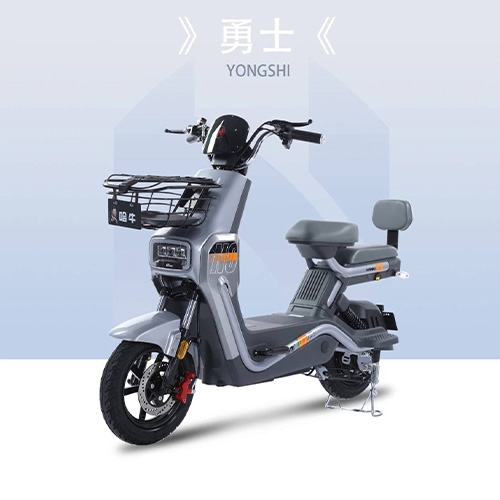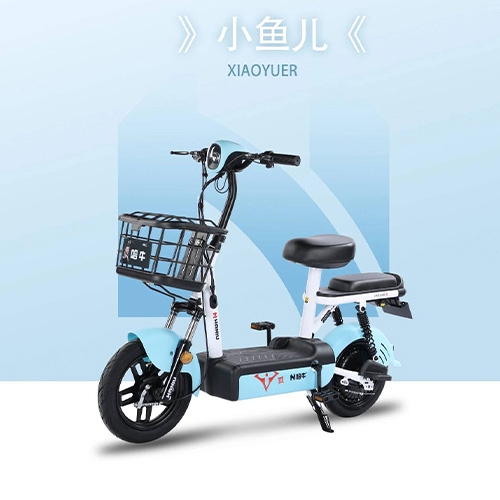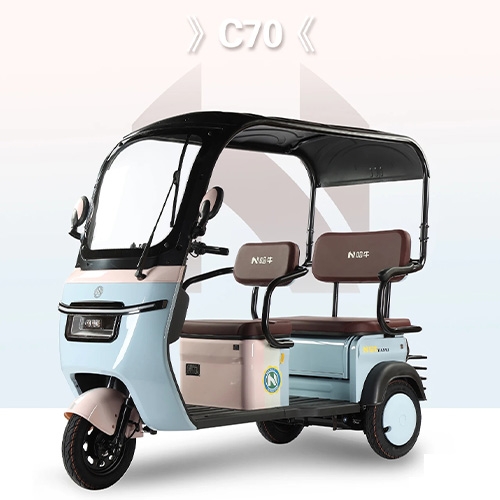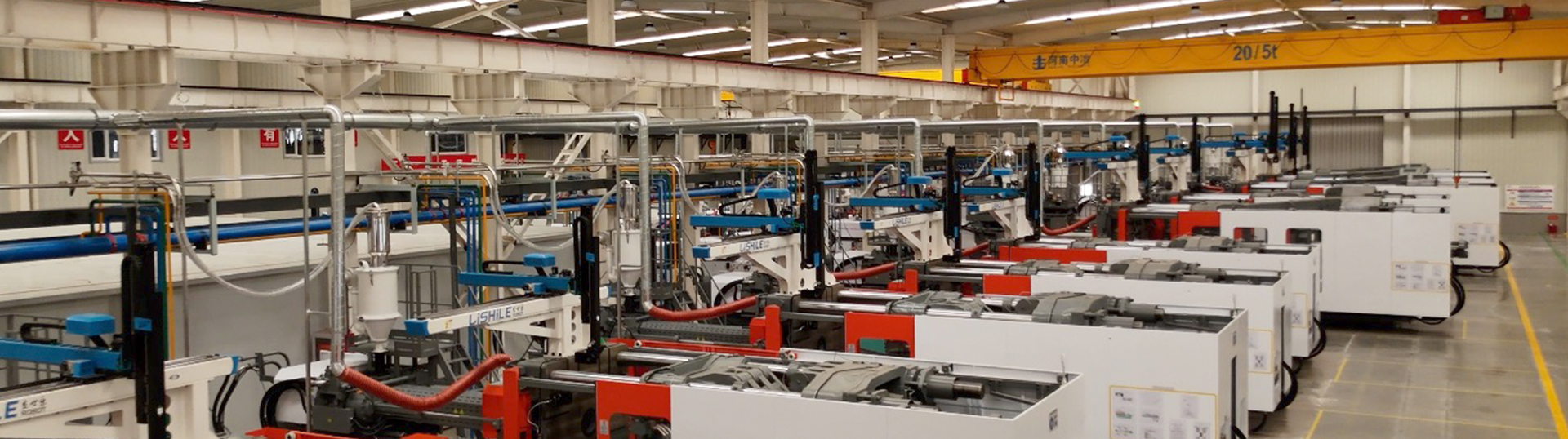
Against the backdrop of global environmental awareness awakening and the deepening of sustainable development concepts, electric vehicles have become pioneers of green transformation in the transportation sector. Electric vehicle manufacturers actively explore environmental design inspiration, from material selection to production processes, from functional design to recycling, fully practicing the concept of green development, and contributing to the construction of a low-carbon travel ecology.
Natural ecology is an important source of inspiration for environmentally friendly design of electric vehicles. Many electric vehicle manufacturers draw inspiration from the forms and principles of nature to create products that combine aesthetics and environmental performance. For example, the exterior design of some car models imitates the streamlined shape of birds, which not only reduces air resistance and energy consumption during vehicle operation, but also gives the product a dynamic visual effect; In terms of color selection, natural tones such as forest green and sky blue are mainly used to convey the concept of environmental protection that is close to nature. In addition, the principles of bionics have also been applied to battery heat dissipation design, by simulating natural structures such as honeycombs and leaf veins, optimizing heat dissipation channels, improving battery efficiency, and reducing energy loss and environmental pollution risks caused by high temperatures.
The concept of circular economy provides a new direction for the environmental design of electric vehicles. Electric vehicle manufacturers consider environmental protection throughout the entire lifecycle during the product design stage, using recyclable materials to manufacture the body, components, etc. For example, using recycled aluminum alloys, recycled plastics and other materials to replace traditional raw materials can reduce resource consumption and waste emissions. At the same time, the modular design concept is widely applied, designing core components such as batteries and motors as standardized modules for easy maintenance, replacement, and recycling. When electric vehicles reach the end of their service life, production companies establish a comprehensive recycling system to dismantle, classify, and reprocess their components, achieving resource recycling and minimizing their impact on the environment.
The development of new energy technologies injects new vitality into the environmental design of electric vehicles. Solar energy, as a clean and renewable energy source, is increasingly being applied in the design of electric vehicles. Some electric vehicle manufacturers have attempted to install solar panels on the roof and body of their vehicles, using photovoltaic conversion to provide auxiliary energy, extend the range, and reduce dependence on traditional power grids. In addition, clean energy sources such as wind and hydro power are also exploring the possibility of combining with electric vehicles. For example, building wind or hydroelectric charging stations in specific areas to provide green electricity for electric vehicles and achieve full chain environmental protection from the energy supply end.
The social demand and policy guidance also inspire the environmental design inspiration of electric vehicles. With strict global restrictions on carbon emissions and increasing consumer awareness of environmental protection, electric vehicle manufacturers are actively responding to policy calls and increasing investment in research and development of environmental protection technologies. For example, in order to meet the demand for green travel in cities, ultra light electric bicycles are developed, using environmentally friendly materials and low-energy design to facilitate short distance commuting; Targeting the logistics industry, we will launch electric freight tricycles, optimize battery management systems, improve energy efficiency, and reduce carbon emissions during transportation. At the same time, policy subsidies and support for new energy vehicles also encourage companies to continuously explore more innovative environmental design solutions, promoting the development of the electric vehicle industry towards green and low-carbon direction.