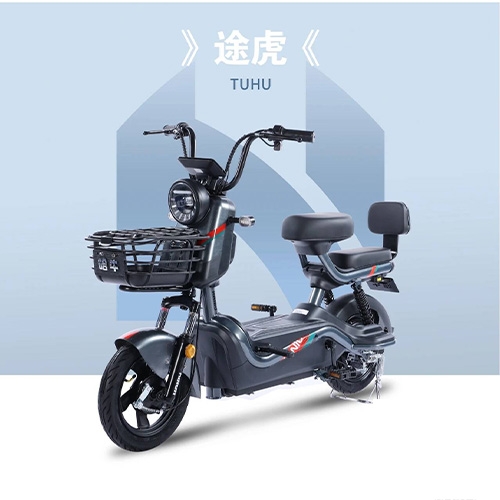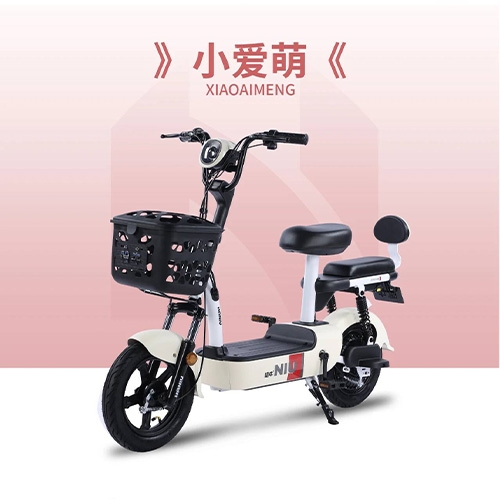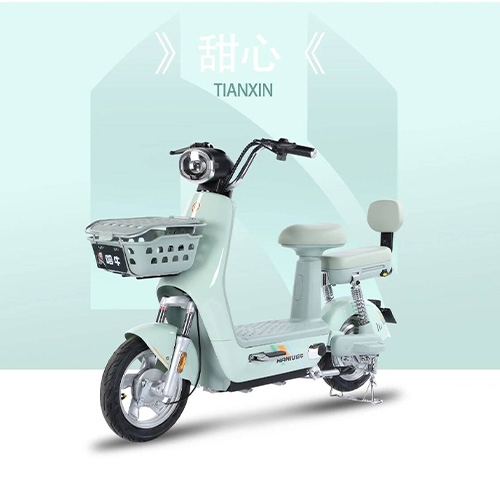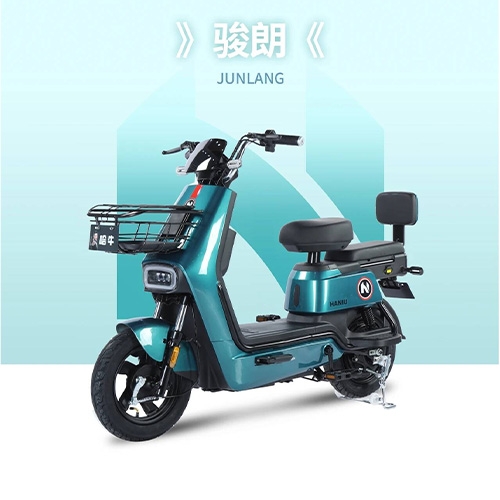
Driven by the wave of technology, the electric vehicle industry is in a critical period of rapid transformation. From breakthroughs in battery technology to the development of intelligence and networking, from reshaping the industrial ecosystem to expanding application scenarios, electric vehicle manufacturers are leading the industry towards a new future with unprecedented innovation speed.
The innovation of battery technology will become the core driving force for the future development of electric vehicles. Currently, new battery technologies such as solid-state batteries and hydrogen fuel cells are gradually moving from laboratories to industrialization. Solid state batteries are considered an ideal solution for addressing range anxiety and safety hazards in electric vehicles due to their higher energy density, longer lifespan, and higher safety. Electric vehicle manufacturers are increasing their research and development investment in solid-state batteries, accelerating technological breakthroughs and mass production processes through cooperation with research institutions and material suppliers. Meanwhile, hydrogen fuel cells have shown great potential in the field of commercial vehicles due to their advantages of zero emissions and fast hydrogenation speed. In the future, with the improvement of supporting infrastructure such as hydrogen production, storage, and refueling, hydrogen fuel cell electric vehicles are expected to achieve large-scale applications in long-distance transportation, heavy-duty trucks, and other fields.
Intelligence and networking will give electric vehicles a new life form. The continuous advancement of autonomous driving technology has transformed electric vehicles from simple means of transportation to intelligent mobile spaces. Electric vehicle manufacturers integrate sensors such as LiDAR, cameras, and millimeter wave radar, combined with advanced algorithms and artificial intelligence technology, to achieve advanced driving assistance functions such as automatic parking, adaptive cruise control, and lane keeping, and gradually move towards fully autonomous driving. At the same time, the development of vehicle networking technology enables information interconnection and intercommunication between electric vehicles, the cloud, other vehicles, and infrastructure. For example, optimizing driving routes through real-time traffic data to reduce congestion and energy consumption; The information exchange between vehicles can prevent traffic accidents and improve road safety. In addition, the popularization of intelligent cockpits will bring users a more personalized and comfortable driving experience, such as voice interaction, gesture control, intelligent seat adjustment and other functions, making travel a pleasure.
The integration and coordinated development of industrial ecology will reshape the pattern of the electric vehicle industry. Electric vehicle manufacturers are no longer limited to traditional vehicle manufacturing, but actively cooperate with energy enterprises, technology companies, Internet platforms, etc. In the field of energy, collaborate with power grid enterprises to develop intelligent charging technology, achieve two-way interaction between electric vehicles and the power grid, and improve the efficiency of power resource utilization; Collaborate with charging station operators to build a charging network and solve users' charging difficulties. In the field of technology and Internet, cooperate with software companies to develop intelligent operating systems, and improve the intelligent level of vehicles; Collaborate with shared mobility platforms to expand the application scenarios of electric vehicles and promote the development of shared mobility models. This cross industry integration and collaboration not only brings new growth points for enterprises, but also accelerates innovation and development in the electric vehicle industry.
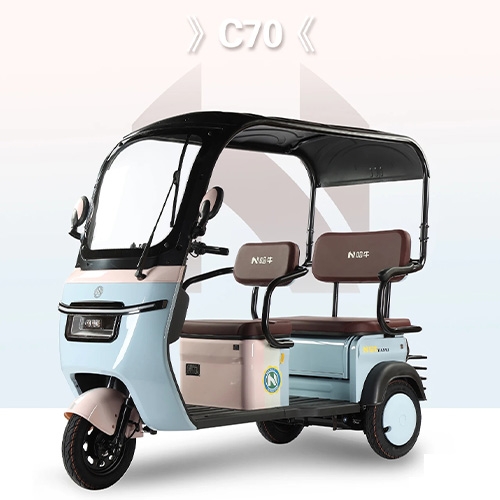
The diversified expansion of application scenarios will further unleash the market potential of electric vehicles. In addition to traditional personal travel, electric vehicles are increasingly being used in logistics and distribution, urban sanitation, scenic spot sightseeing, agricultural production, and other fields. In the logistics industry, electric tricycles and electric box trucks have become the main force in "last mile" delivery due to their flexibility, convenience, low cost, and zero emissions; In the field of urban sanitation, electric sweepers and garbage transfer vehicles effectively reduce operational noise and exhaust pollution; In scenic areas and rural areas, electric sightseeing vehicles and electric agricultural tricycles provide green and convenient transportation tools for tourists and farmers. In the future, with the advancement of technology and the expansion of the market, electric vehicles will play an important role in more fields, such as emerging scenarios such as autonomous taxis and urban air traffic, bringing profound changes to people's lives and social development.