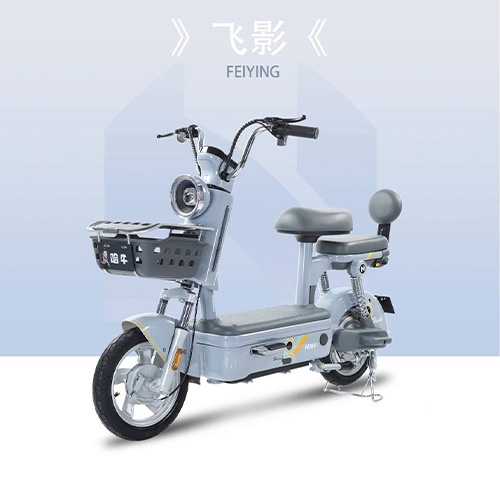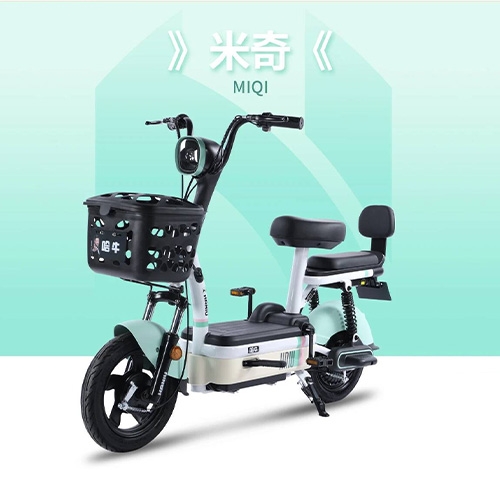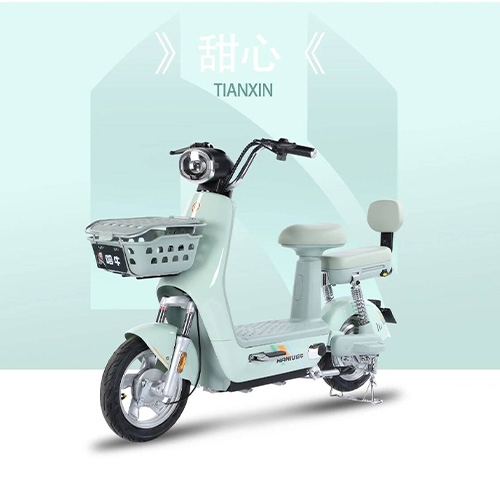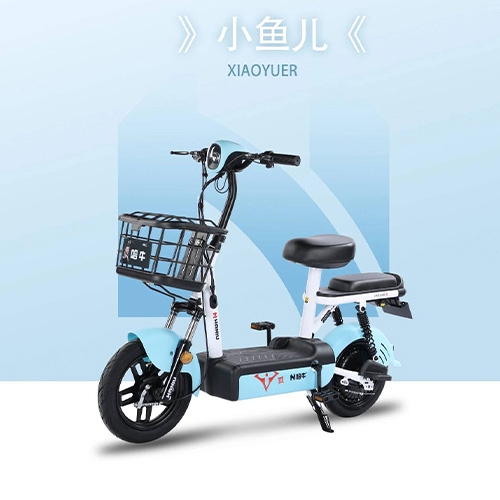
Electric two wheelers: a revolutionary force in urban transportation
In the face of increasingly severe urban traffic congestion and environmental pollution, electric two wheeled vehicles have become an important force in the transformation of urban transportation systems due to their green, convenient, and efficient characteristics. Electric vehicle manufacturers are constantly innovating and optimizing their products to promote the greater role of electric two wheelers in urban travel and reshape the urban transportation pattern.
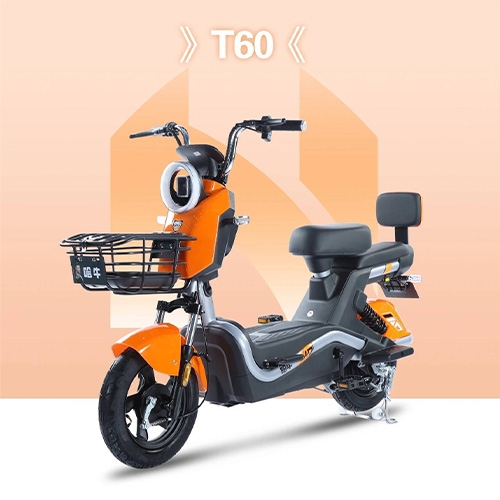
Electric two wheelers effectively alleviate urban traffic congestion. Its compact and flexible body design allows it to freely shuttle through narrow streets and dense traffic. Whether during peak hours in the morning or evening, or in narrow alleys in the old city area, electric two wheelers can quickly reach their destination, greatly improving travel efficiency. Compared to cars, electric two wheelers occupy less road resources and can accommodate more electric two wheelers on the same road area. According to statistics, on the main roads of some cities, the traffic efficiency of electric two wheelers is several times that of cars. Electric vehicle manufacturers continuously optimize product design to meet urban commuting needs, launching lightweight electric bicycles and high-performance electric motorcycles to meet the travel needs of different groups of people and further enhance the mobility of urban transportation.
The green and environmentally friendly characteristics make electric two wheeled vehicles an important aid in improving urban air quality. Traditional fuel vehicles are one of the main sources of urban pollutant emissions, while electric two wheeled vehicles have zero exhaust emissions during operation and do not produce harmful gases such as carbon monoxide and nitrogen oxides. With the popularity of electric bicycles, the emissions of pollutants in urban air have significantly decreased, making a positive contribution to improving urban air quality. Electric vehicle manufacturers are responding to the call for environmental protection by increasing investment in research and production of electric two wheelers, adopting advanced battery technology and energy-saving motors, improving energy efficiency, and reducing carbon emissions. At the same time, by promoting electric bicycles, guiding citizens to choose green travel methods, enhancing public awareness of environmental protection, and promoting the development of urban transportation towards low-carbon and sustainable directions.
Electric two wheelers have also promoted the diversification of urban transportation modes. In addition to personal purchase and use, the emergence of shared electric bicycles provides urban residents with more flexible travel options. Users can rent electric bicycles anytime and anywhere through a mobile app to meet their short distance travel needs, such as the "last mile" shuttle from the subway station to their destination. This shared mobility model not only facilitates citizens, but also reduces the cost of personal car purchases and parking. Electric vehicle manufacturers cooperate with shared mobility platforms to customize electric two wheelers that meet their operational needs, and achieve vehicle positioning, leasing, billing, and other functions through intelligent management systems. In addition, electric bicycles have also been effectively connected with the public transportation system. Citizens can use electric bicycles as a supplement to buses and subways, forming a more convenient and efficient comprehensive travel system.
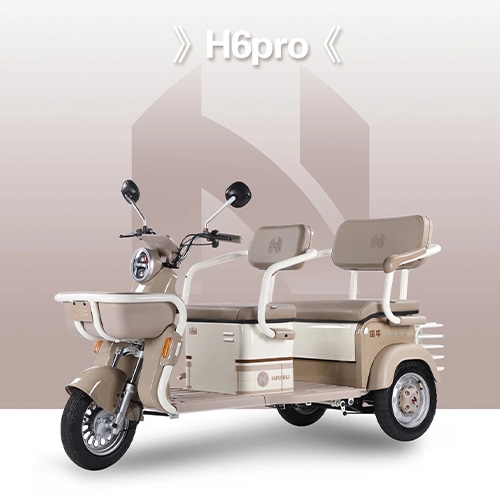
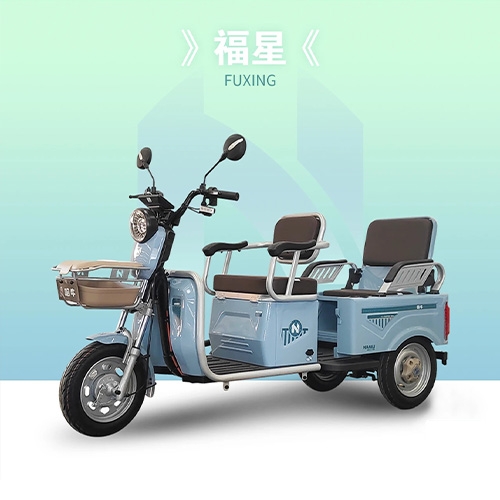
Electric two wheelers also play an important role in improving the level of urban transportation services. In the instant delivery industry such as express delivery and food delivery, electric bicycles have become the main mode of transportation for delivery personnel. They can quickly deliver goods to customers and meet their demand for timeliness. Electric vehicle manufacturers have developed electric two wheeled vehicles with large storage capacity and long range capability to meet the special needs of the distribution industry, improving distribution efficiency. At the same time, some cities have utilized electric bicycles to carry out postal delivery, community services, and other work, further improving the city's service functions and enhancing the comprehensive service level of urban transportation.