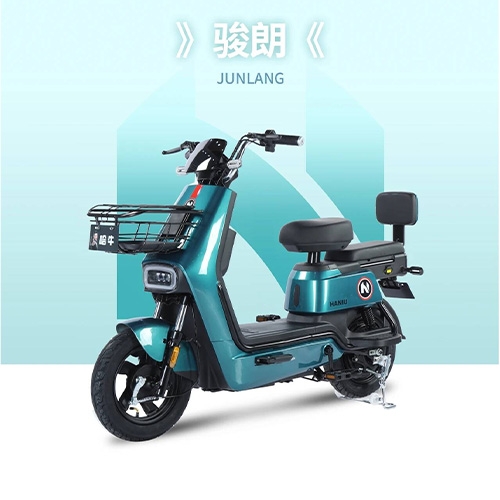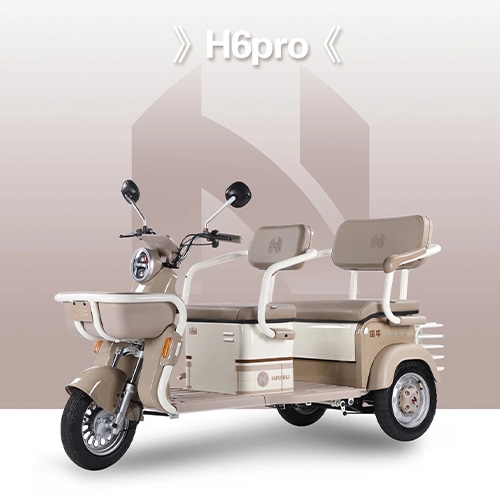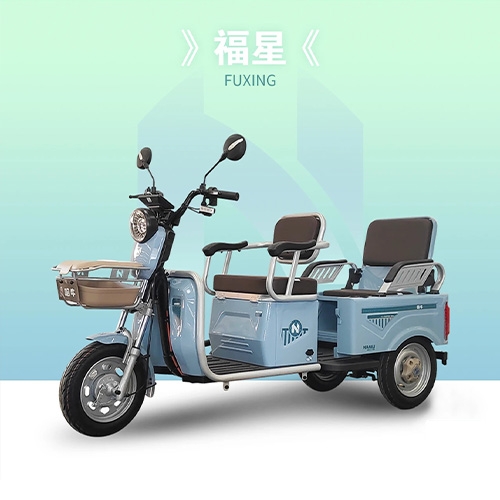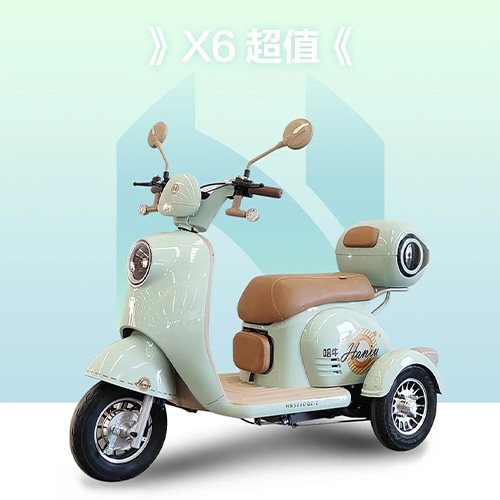
Scooters, as a unique mode of transportation, have left a profound mark in the long river of history. From its inception to its flourishing development today, scooters have witnessed the continuous innovation of transportation, and together with electric bicycles and tricycles, they have formed a rich and diverse electric vehicle market.
The history of scooters can be traced back to the late 19th and early 20th centuries. In 1855, German engineer Gottlieb Daimler designed and manufactured the first motorcycle, laying the foundation for the development of scooters. In 1903, the Mayer riding motorcycle appeared in the Netherlands, pioneering the design concept of riding motorcycles and being regarded as the prototype of scooters. Early scooters were mainly powered by fuel, with simple structures and limited power, mainly used for short distance travel and postal delivery. At that time, scooters had a simple appearance and single functions, but they had already demonstrated their convenience and flexibility.
Over time, scooters have continuously made breakthroughs in technology and design. In the mid-20th century, scooters entered a period of rapid development. Japanese motorcycle manufacturers such as Honda and Suzuki have started mass producing scooters and promoting them globally. These scooters have significantly improved in engine performance, exterior design, and comfort, gradually becoming a popular means of transportation for urban residents. During this period, scooters not only received enhanced power, but also incorporated more fashionable elements into their appearance, gradually becoming more colorful and diverse in design from monotonous black.
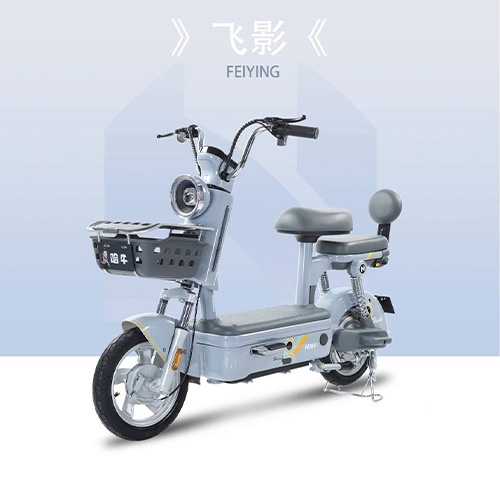
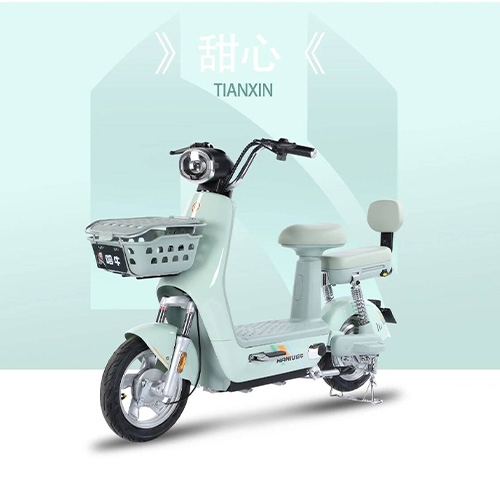
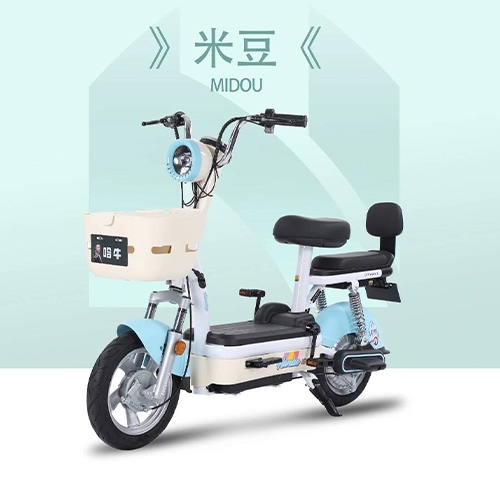
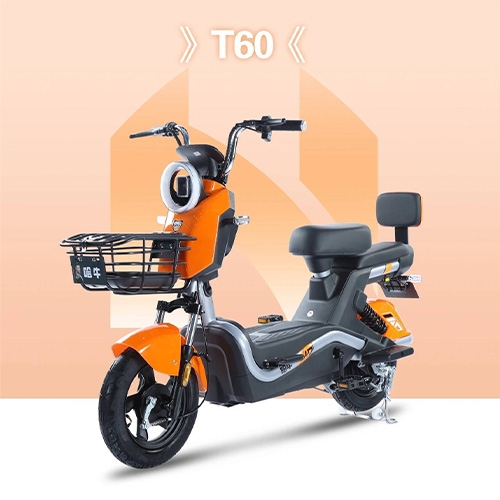
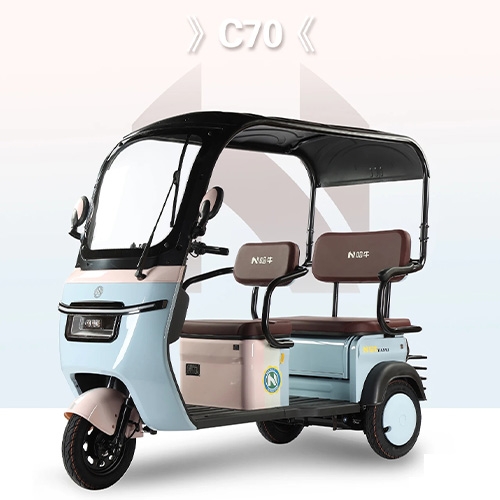
In the 21st century, with the increasing awareness of environmental protection and the advancement of battery technology, electric scooters have emerged. Electric scooters have quickly gained a foothold in the market due to their advantages of zero emissions, low noise, and low operating costs. It inherits the convenience and flexibility of traditional scooters, while also conforming to the concept of modern environmentally friendly travel. Along with the development of electric scooters are electric bicycles and electric tricycles. Electric bicycles have become the preferred choice for short distance urban travel due to their compact and lightweight characteristics; Electric tricycles play an important role in logistics distribution, family travel, and other fields due to their powerful cargo and passenger carrying capabilities.
Nowadays, scooters (including electric scooters), electric bicycles, and electric tricycles have become important components of the electric vehicle industry. They are constantly innovating in technology, with intelligence, lightweight, and long battery life becoming development trends. For example, some high-end electric scooters are equipped with intelligent interconnection systems, which can achieve vehicle positioning, remote control, fault diagnosis and other functions through mobile apps; The electric bicycle adopts a new type of lithium battery and carbon fiber frame, which improves the endurance while reducing the weight of the body; Electric tricycles continuously optimize their power system and load-bearing capacity to meet the needs of more complex scenarios.
The history and development of scooters is an evolutionary history of transportation, which interacts and develops together with electric bicycles and tricycles, driving the electric vehicle industry forward. In the future, with the continuous advancement of technology, scooters, electric bicycles, and electric tricycles will continue to bring more convenience and surprises to people's travel, contributing to the construction of a green and intelligent transportation system.