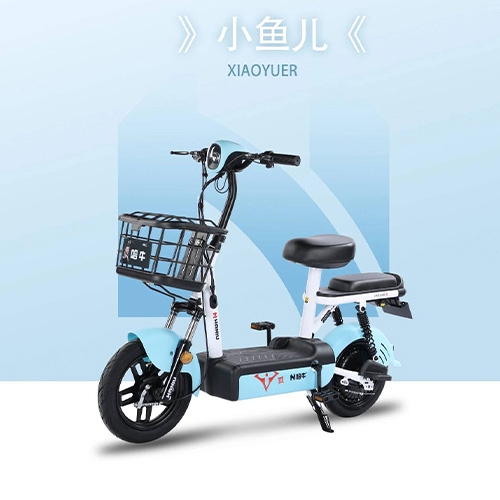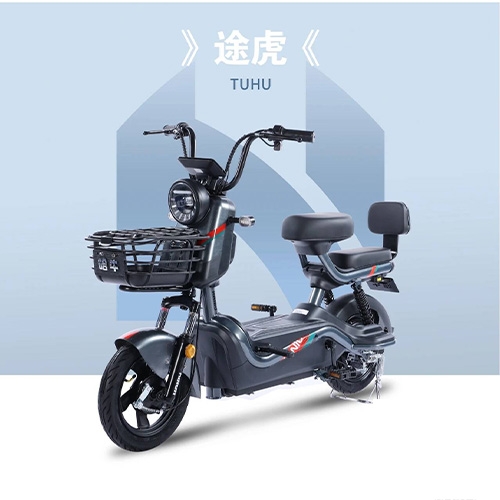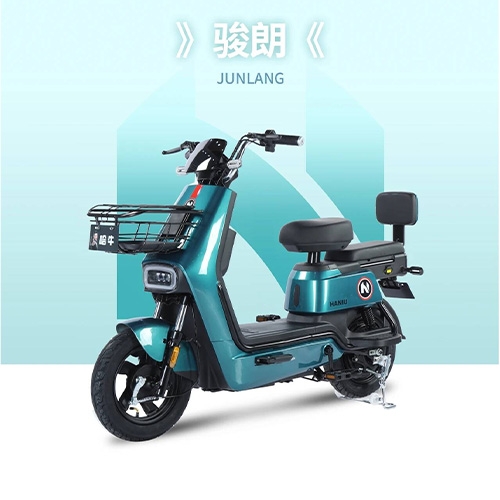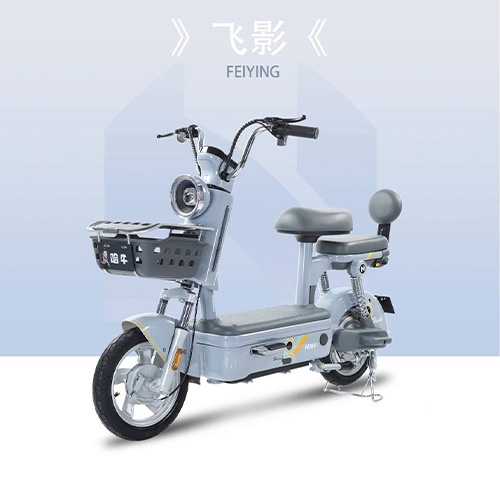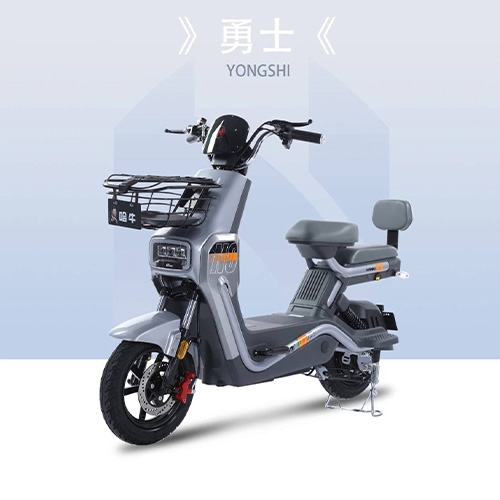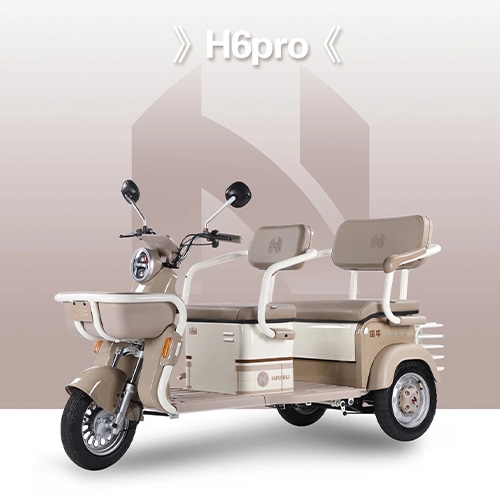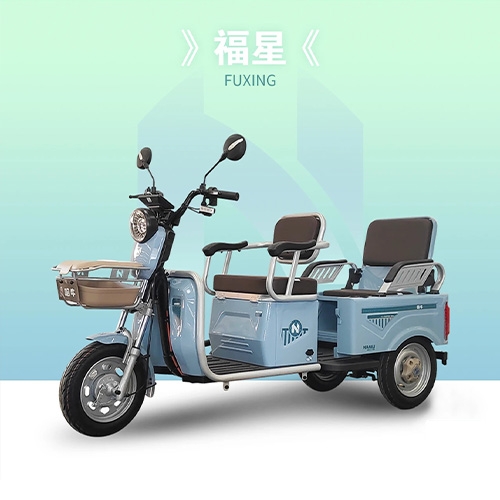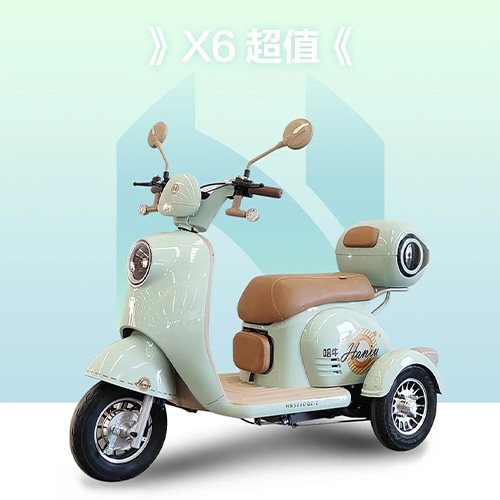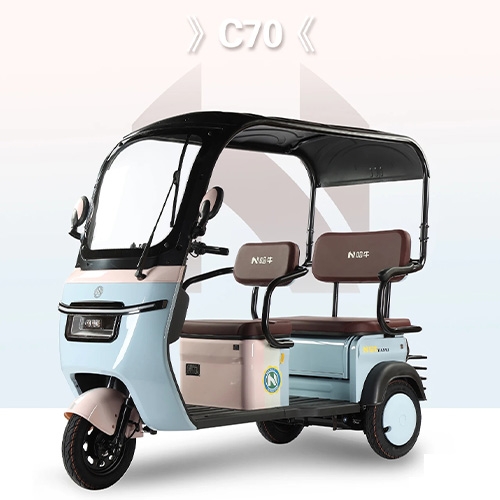
From urban to rural areas, from livelihood services to commercial operations, tricycles have derived rich and diverse application scenarios in the field of electric vehicles due to their unique plasticity. Electric tricycles and electric bicycles complement each other, constantly expanding the functional boundaries of electric vehicles and becoming an important force in promoting social operation.
In the field of logistics and distribution, electric tricycles have become the main force in the "last mile". JD Logistics has deployed an electric tricycle distribution network in more than 200 cities across the country, delivering 150-200 packages per day per vehicle. With the help of an intelligent scheduling system, delivery efficiency has been improved by 30%. Electric bicycles, with their flexible and compact characteristics, serve as "capillaries" in narrow streets and high-density communities, forming an efficient distribution system of "main branch".
In terms of livelihood services, electric tricycles have demonstrated strong adaptability. The "mobile vegetable basket" electric tricycle in Chengdu, Sichuan, equipped with refrigeration and preservation equipment, provides fresh fruits and vegetables in old residential areas; The "convenient hair cutting car" in Beijing's hutongs provides door-to-door services for residents with limited mobility by modifying the cabin space. These innovative applications not only address the needs of specific groups, but also create new employment opportunities. In contrast, electric bicycles are more suitable for single person service scenarios, such as the short distance commuting function of shared bicycles.
In the field of business innovation, electric tricycles have given rise to a unique 'mobile economy'. The daily sales of "milk tea tricycles" on the streets of Changsha can reach 2000-3000 yuan, and they can capture customer flow by flexibly changing their business locations; The "intangible cultural heritage handicraft tricycle" under the ancient city wall of Xi'an combines traditional culture with modern commerce, becoming a new business card for urban culture and tourism. Electric bicycles, on the other hand, are more commonly used for shared mobility and personal commuting, forming a differentiated development between the two in commercial scenarios.
In addition, electric tricycles also play an important role in fields such as agriculture, environmental sanitation, and healthcare. Vegetable farmers in Shouguang, Shandong use electric tricycles to transport vegetables, making 5-8 daily trips between the fields and the market; The electric three wheeled medical service vehicle in Wuhan community is equipped with an electrocardiogram machine and a blood pressure monitor, providing residents with on-site physical examinations. These cases fully demonstrate that tricycles, as an important branch of electric vehicles, are reshaping various aspects of social life with diverse uses, and together with electric bicycles, they are building a huge ecosystem of electric vehicle applications.