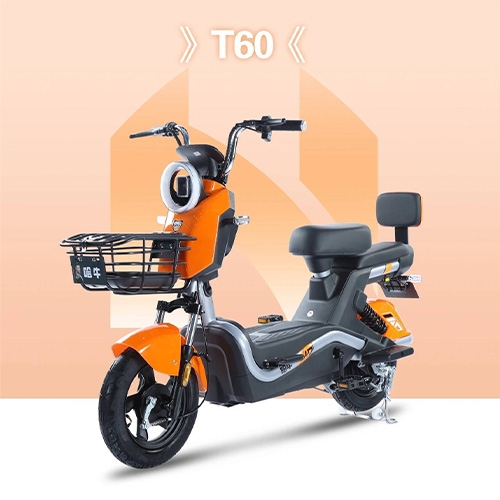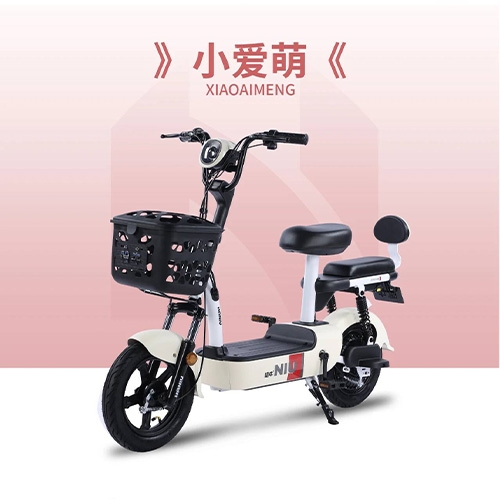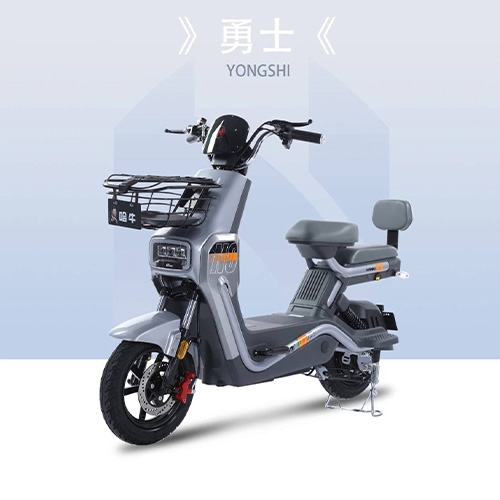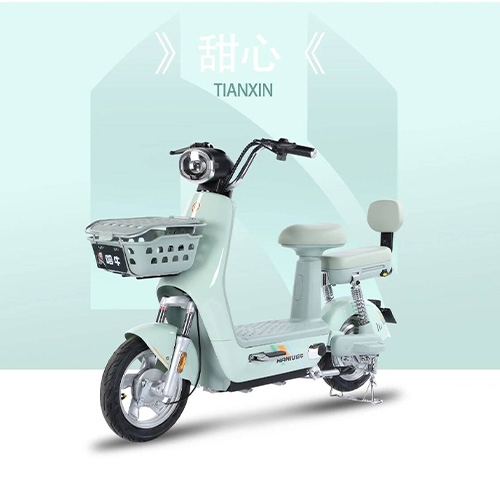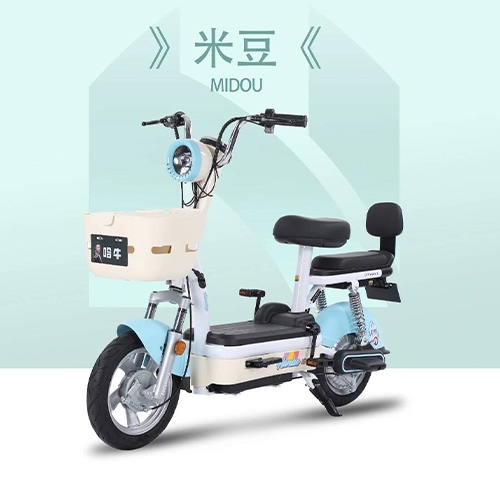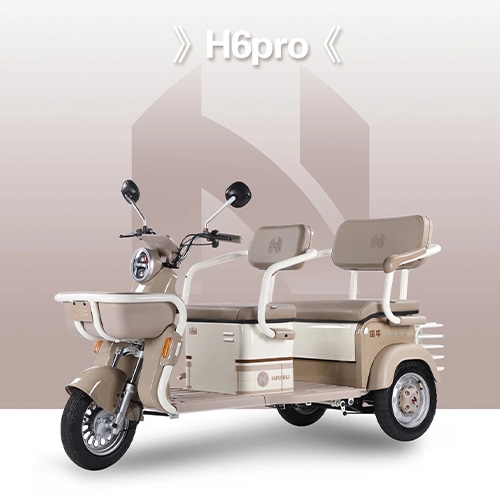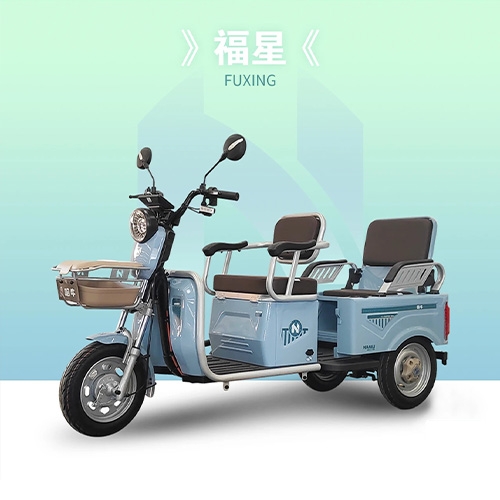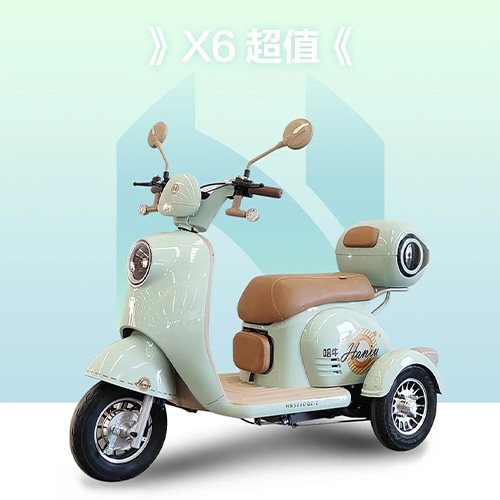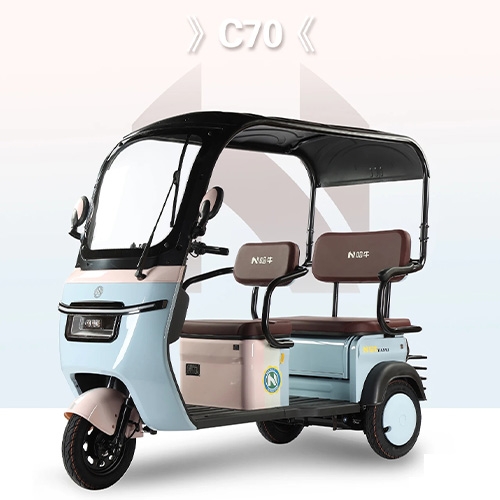
In the fiercely competitive electric vehicle market, product quality is the fundamental basis for enterprises to establish themselves. The production enterprises of electric tricycles and electric bicycles have established a comprehensive quality assurance system through full process quality control, technological innovation, and user feedback mechanisms, providing consumers with safe and reliable transportation tools.
Raw material control is the first line of defense for quality assurance. Leading companies such as Yadea and Aima have established strict supplier screening systems, requiring core component suppliers such as batteries, frames, and motors to pass ISO 9001 quality management system certification. Taking the frame as an example, it is made of high-strength cold-rolled steel or aviation grade aluminum alloy material, and undergoes 12 testing processes such as salt spray testing and compression testing to ensure its corrosion resistance and structural strength. In the battery procurement process, companies prioritize first tier brands such as CATL and Tianneng to ensure battery life and safety from the source.
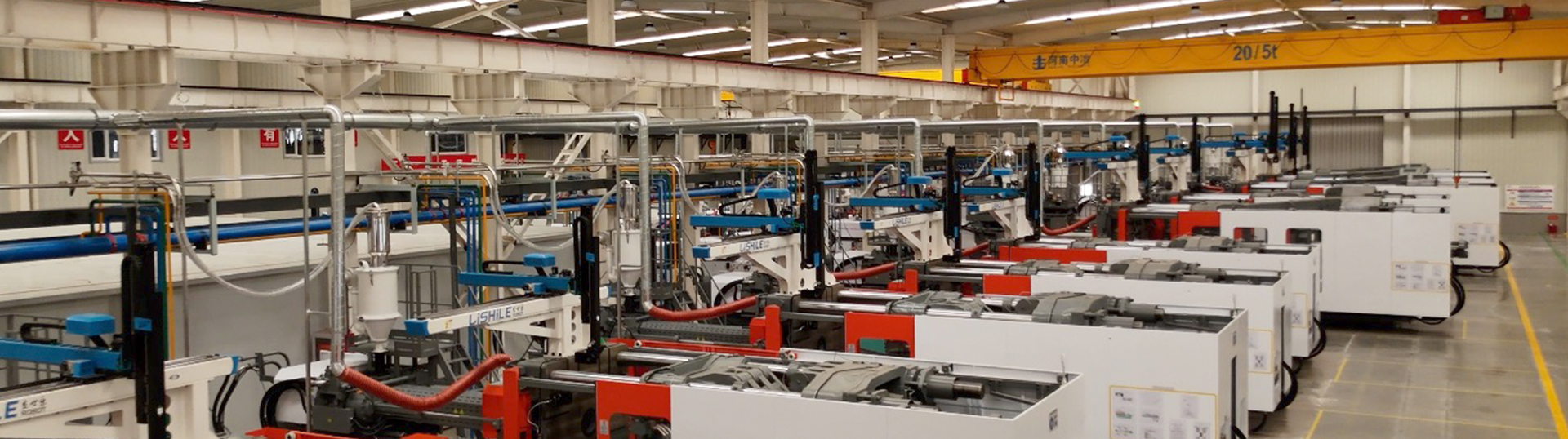
Intelligent control during the production process further enhances product accuracy. The Tailing Electric Vehicle Factory has introduced industrial robots and automated production lines, with frame welding errors controlled within ± 0.5mm. The motor assembly uses a visual recognition system to ensure accurate installation of parts. Each electric tricycle and electric bicycle that goes offline must undergo 108 dynamic tests, including brake sensitivity testing, waterproof performance testing, and actual range testing. Unqualified products are directly returned to the factory for rectification to ensure a factory pass rate of 99.8%.
Quality assurance is also reflected in continuous technological innovation. The intelligent BMS battery management system developed by Company 9 can monitor real-time data such as battery temperature and voltage, automatically adjust charging and discharging strategies, and extend battery life by 30%; The disc brake system launched by Xiaoniu Electric shortens the braking distance by 20% compared to traditional drum brakes. These technological innovations not only enhance product performance, but also fundamentally ensure user safety.
The user feedback mechanism is an important driving force for quality improvement. Enterprises collect user feedback through online apps, after-sales outlets, and other channels to establish a product quality improvement database. For example, a certain brand optimized the motor control system to improve the climbing performance of electric tricycles by 15% in response to user feedback on insufficient climbing power; Aiming at the anxiety of electric bicycle battery range, a detachable battery design has been launched to meet the needs of different users. This full chain quality control from research and development, production to after-sales ensures the quality competitiveness of electric tricycles and electric bicycles in the market.
15. Future development trend of electric bicycles: dual transformation of intelligence and low carbonization
Driven by both technological advancements and environmental demands, electric bicycles are undergoing unprecedented changes. In the future, electric bicycles will work together with electric tricycles to build a new intelligent and low-carbon travel ecosystem, redefining the urban transportation pattern.
Intelligence will become the core direction of the development of electric bicycles. The popularization of Internet of Things technology has equipped vehicles with a "smart brain". The fourth generation intelligent electric bicycle launched by Xiaoniu Electric achieves functions such as vehicle anti-theft, trajectory tracking, and remote diagnosis through GPS positioning, Bluetooth connection, and mobile APP. In the future, electric bicycles will further integrate autonomous driving assistance systems, such as automatic obstacle avoidance and adaptive cruise control, to enhance riding safety. At the same time, vehicle networking technology will achieve interconnectivity between vehicles, traffic signals, and charging stations, optimizing traffic efficiency. In contrast, electric tricycles have a slightly slower intelligent process due to their focus on load carrying and low-speed driving scenarios, but they are also gradually introducing intelligent monitoring and scheduling systems.
The breakthrough in battery technology will completely solve the anxiety of battery life. The commercial application of solid-state batteries is expected to be achieved in 2026-2027, with an energy density 2-3 times higher than traditional lithium batteries and a charging time reduced to less than 15 minutes. The lithium iron phosphate blade battery developed by BYD has been applied to some electric bicycles, achieving a range of over 200 kilometers. In addition, wireless charging technology will be popularized in public areas of cities, and users only need to park their vehicles in designated areas to automatically charge, greatly improving the convenience of use.
Lightweight and personalized design will reshape the form of products. The application of new materials such as carbon fiber and magnesium alloy has reduced the overall weight of electric bicycles to less than 15 kilograms, while maintaining high strength and corrosion resistance. In terms of exterior design, modular concept will become mainstream, and users can replace components such as frames, seats, storage boxes, etc. according to their needs to create exclusive car models. Electric tricycles will continue to optimize their load-bearing performance and space design to meet diversified needs such as logistics and passenger transportation.
Policy support will accelerate the popularization of electric bicycles. Governments around the world have introduced subsidy policies and road rights incentives, and the European Union plans to increase subsidies for electric bicycles to 30% of the purchase price by 2030; Many regions in China are implementing the "trade in" program, with a maximum subsidy of up to 1000 yuan. At the same time, urban infrastructure will tilt towards electric vehicles, and the improvement of supporting facilities such as charging stations and dedicated lanes will provide a solid guarantee for the development of electric bicycles and electric tricycles. In the future, the two will work together with differentiated positioning to promote the ultimate goal of green and intelligent global transportation.